
"South Central"
6000 article(s) found

Costa Rican coffee Central and South American coffee beans
Costa Rican coffee is produced in the Republic of Costa Rica (The Republic of Costa Rica) in the south of Central America. Its coffee quality is similar to that of Colombian coffee and is suitable for blending mixed coffee. Chinese name Costa Rica coffee producer Costa Rica Tarrazu special point full of particles and ideal acidity

The ancestor of coffee in Central and South America, the most important coffee producing area in the world, the coffee consumed around the world.
Central and South America is now the most important coffee producing area in the world, accounting for more than half of the coffee beans consumed in the world. When it comes to the ancestor of Coffee in Central and South America, we have to mention an island, Martinique, and a soldier, Deckley. In 1723, de Klee, a French naval officer who returned home on leave, got a coffee seedling. Dirkley finally planted the coffee seedling.

IMPCT coffee concept hall helps children in Central and South America flip education
Professional barista exchanges, please pay attention to coffee workshop (Weixin Official Accounts cafe_style ) IMPCT opens its first coffee concept hall in Taiwan, and the proceeds will be used to cover kindergartens in Central and South America. Global coffee consumption has been rising in recent years, but farmers in many coffee-producing countries remain below the poverty line and have not benefited from increased coffee consumption.

The Central and South American style of Nicaraguan Coffee Flavor Manor introduces the characteristics of Nicaraguan Coffee
Nicaraguan coffee belongs to Central and South American style coffee, although the acidity is not very high, but it feels refreshing. The mellow degree is also not high, but the overall feeling is just right, neither thin nor too strong. To make it easier to accept. The taste of red wine can be vaguely felt in the shallow sour taste, which is also a major feature of Nicaraguan coffee. Although unlike Kenyan coffee,

Aromatic with less acidity, reminiscent of Central American coffee beans, South African coffee flavor.
Boutique coffee is fresh coffee. Whether it's food or drink, of course, the fresh the better, and so is boutique coffee. High-quality coffee should keep the coffee beans fresh before making, including the preservation of baked beans, and grind the coffee beans into powder before making, which is also to retain its original and best flavor. And the way of making hand-made coffee is such a way to make high-quality coffee.

South African coffee beans are fragrant and have less acidity, like coffee bean cafes in Central America.
Boutique coffee has a strict grading system. Generally, raw beans are preserved in parchment coffee beans in the form of endocarp after processing, and the endocarp is removed before export. Go through a strict grading process to ensure the uniformity of quality. And it is very important to preserve the protection in the process of transportation, such as the control of temperature and humidity, the control of ventilation, avoiding odor adsorption and so on.
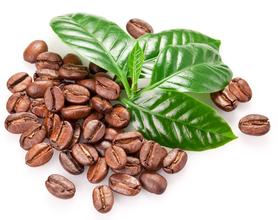
Boutique coffee beans: a detailed explanation of the producing areas and flavor of the world's boutique coffee beans
South American Coffee region introduction / SouthAmericanArea Columbia [Xuefeng] Coffee ColombiaKoguiSnowCapSpecialtySupremo: South American countries: Colombia: SierraNevada flavor: obvious nutty flavor, rich and varied overall taste. Columbia [MDLS] Manor ColombiaMDLS country: South American country: Colombian region

Characteristics of coffee beans from three regions-Characteristics of coffee beans from Central and South America
Characteristics of coffee beans from three regions-Characteristics of coffee beans from Central and South America Arabica Arabica beans, world-famous blue mountain coffee, mocha coffee, etc., almost all Arabica species. Appearance: bean shape smaller, positive was long oval, narrow and tortuous cracks in the middle, beans back arc shape more flat, consistent size, uniform color luster. Origin: Arabica coffee

Flavor and taste characteristics of Honduran coffee beans, the most popular coffee brand in Central and South America
What makes coffee in Honduras special? You know, there are countless excellent coffees in Central and South America. Why do Colombian coffee and Brazilian coffee stand out from the crowd? Let's take a look at the uniqueness of Honduran coffee on Qianjie today. The most luxuriant and purest coffee growing place in the region: unfortunately, the United States

Do American coffee beans represent that there are many coffee-growing places in America? evaluation of Central and South American Coffee
Professional Coffee knowledge Exchange more information about coffee beans Please follow the coffee workshop (official Wechat account cafe_style) every morning, millions of people around the world like to have a cup of coffee to start the day. In doing so, they may not know the exact location of the beans used to produce lattes or black coffee. Generally speaking, the top coffee growing and exporting regions in the world

Honduras-#8231; Central and South American Agriculture and Animal Husbandry-Marcala Coffee Fair Trade
Professional coffee knowledge exchange more coffee bean information please follow the coffee workshop (Wechat official account cafe_style) Honduras Central and South America Agriculture and Animal Husbandry-Markara (Marcala) Coffee Fair Trade Association (F.T) the flavor of washed beans? Coffee produced in Honduras is rarely found in Taiwan's coffee market, but in terms of altitude and temperature changes and soil fertility.

Coffee exports in Central and South America stabilize
Coffee exports from Central America, Mexico, Colombia, Peru and the Dominican Republic rose 4.5 percent in October from a year earlier, Guatemala's National Coffee Association (Anacafe) said today. October is the first month of this coffee harvest year. According to statistics, the total coffee export volume of the above countries in October was 1,947,884 bags (60 kg per bag), compared with the whole season of the previous harvest year.
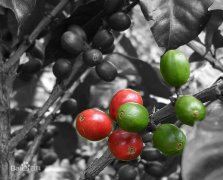
Fragrant with less acidity, reminiscent of Central American coffee beans
It is fragrant with less acidity, reminiscent of coffee beans from Central America. Coffee production in South Africa (SouthAfrica) is mainly in the northeast of the country, from Natal between Transvaal and Mozambique, extending northward to Transvaal, with a southernmost limit of latitude 30 south. Further south, coffee cannot be grown due to the harm of early frost.
Costa Rican coffee flavor Central and South American coffee characteristics Tara Pearl Diamond Villa washing SHB card
Costa Rican coffee plants were imported from Cuba in 1779 and exported for the first time in 1820. There are now about 32000 coffee farmers, with an average of less than 10000 yuan per farmer. Costa Rica has a population of 410 million (2006), an active coffee planting area of 82500 square meters, an annual output of 1.7 million bags (60kgs per bag), and an annual consumption of 38 million bags in China.
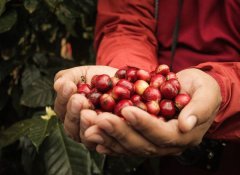
Costa Rica where coffee beans are grown in Central and South America.
Costa Rican coffee cultivation was introduced by Cuba in 1779 and exported for the first time in 1820. There are about 32000 coffee farmers, with an average planting area of less than one hectare (10000 hectares) per farmer. Costa Rica has a population of 41 billion (2006), with a coffee planting area of 82500 hectares and an annual production of 1.7 million bags (60kgs per bag). The annual domestic consumption is 380000 bags.

Indonesian coffee Asian coffee has a higher body than Central and South American and African beans
Asian coffee is more full-bodied than Central and South American and African beans, but less sour, with a hint of heavy wood, herbs, spices and earth, and a deep, smoky aroma over an elevated acid aroma. At the end of the seventeenth century, the Dutch East India Company transplanted the Arabica tree (tibica) from India to Jakarta, Java. Due to the favorable climate and soil conditions, Arabica soon spread to Sumatra on Java Island.

Types of coffee beans in Latin America what are the characteristics of coffee producing areas in Central and South America
Professional Coffee knowledge Exchange more information on coffee beans Please follow the coffee workshop (Wechat official account cafe_style) Central America and Mexico (Northern) 13N-25N Central America (North America) Coffee fields are still dominated by descendants of varieties first bred in the 19th century. The long history of coffee production and the mature coffee planting tradition that can be traced back to several generations are still very obvious here.

Indonesian coffee Asian coffee has a higher alcohol thickness than Central and South America and African beans.
The mellow thickness of Asian coffee is higher than that of Central and South American and African beans, but its sour taste is lower, with slightly sunken wood, herb, spice and earthy flavor, and its low and stuffy aroma is higher than that of rising sour flavor. At the end of the 17th century, the Dutch East India Company transplanted Indian Arabica trees (Tibica) to Jakarta, Java. Due to the favorable climate and soil, Arabica quickly spread to Sumatra in Java.

Peruvian coffee from Notre region, Central American coffee and South American coffee, Peruvian coffee.
Peruvian coffee used to be uncommon internationally, and it is generally believed that its handling process is hasty, so the evaluation is poor, which is the result of a previous state monopoly. In fact, Peruvian coffee has good growth conditions, and many of them are grown organically, so the quality of coffee beans has always been quite good. The famous producing area of Peruvian coffee is Chanchamayo, while Notre